
"unique coffee processing"
20000 article(s) found

Graphical method of brewing process of Kopi Luwak
Kopi Luwak brewing process graphical method Coffee beans generally go through the shell fermentation process, coffee beans in the civet's intestines, special bacteria provide a unique fermentation environment, the flavor becomes unique, particularly thick and mellow. The coffee beans fermented by civets' intestines and stomach are very thick and mellow. Indonesian coffee has the taste of earth and traditional Chinese medicine, and its consistency is among the highest in all continents.

Hua Yan Sun 90+levelup Raw Bean Ethiopia Derar Ela Dre Ella
Profile Processing system: the development of Profile Processing system, tailor-made for each bean, planting, harvesting, processing and other processes, and through a cup test and correction, exactly let each bean seed, play its unique fruit flavor. Ninety plus unique flavor grading, password grading: Ninety Plus coffee is divided according to the intensity of fruit flavor

Unique flavor of Ethiopian native species Ninety plus Ethiopian honey litchi black tea
1. Fine coffee is made from boutique coffee beans. If the beans that make coffee are not boutique coffee beans, the coffee liquid produced cannot be called fine coffee. two。 Boutique coffee is fresh coffee. Whether it's food or drink, of course, the fresh the better, and so is boutique coffee. Fine coffee should be kept fresh before making, including the preservation of roasted beans, and should be kept before making.

The production process of Kopi Luwak the principle of civet coffee
Muscat coffee (Kopi Luwak), Kopi (Indonesian, coffee), Luwak refers to a kind of arboreal wild animal commonly known as civet in Indonesia. Civet coffee is the most expensive coffee in the world, with a price of several hundred US dollars per pound. It is extracted from the feces of the civet and processed. The civet eats the ripe coffee fruit and is excreted through the digestive system.
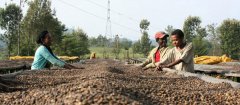
Flavor, characteristics, taste and manor introduction of naturally fermented Ethiopian coffee
Ethiopia has unique natural conditions suitable for growing all imaginable varieties of coffee. As a upland crop, Ethiopian coffee beans are mainly grown in areas between 1100 and 2300 meters above sea level, roughly distributed in southern Ethiopia. Deep soil, well drained soil, weakly acidic soil, laterite and soil are soft and contain
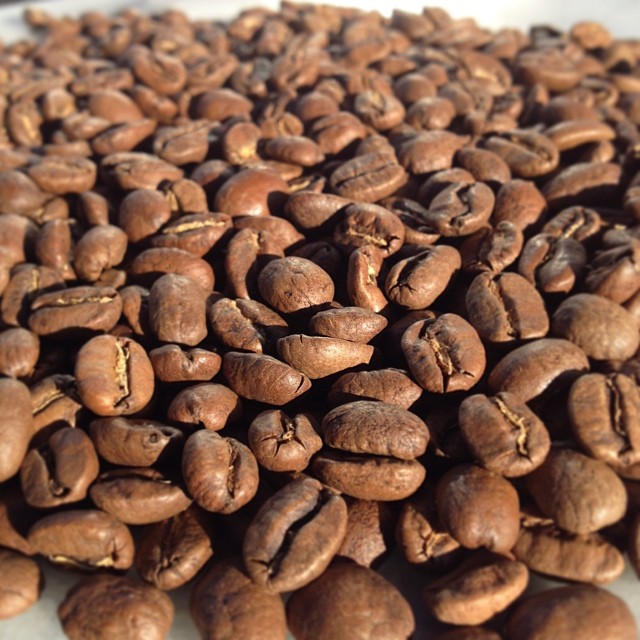
Natural fermentation and Solar Ethiopian Coffee Flavor, characteristics, texture and Manor introduction
Ethiopia has unique natural conditions suitable for growing all imaginable varieties of coffee. As a upland crop, Ethiopian coffee beans are mainly grown in areas between 1100 and 2300 meters above sea level, roughly distributed in southern Ethiopia. Deep soil, well drained soil, weakly acidic soil, laterite and soil are soft and contain

Natural fermented and mellow Ethiopian coffee flavor, characteristics, taste and manor introduction
Ethiopia has unique natural conditions suitable for growing all imaginable varieties of coffee. As a upland crop, Ethiopian coffee beans are mainly grown in areas between 1100 and 2300 meters above sea level, roughly distributed in southern Ethiopia. Deep soil, well drained soil, weakly acidic soil, laterite and soil are soft and contain

What is the definition of boutique coffee?
When it comes to the word specialty coffee, it can be traced back to as early as 1974 in the last century, when Ms. Erna Knutsen of the United States first put forward the concept in "tea and coffee trade journal", that is, the Journal of Tea and Coffee Trade, to refer to those coffee beans growing in a special environment with unique aroma and flavor. As B.C. Ireland in San Francisco
One of the boutique coffee (specialty coffee)
When it comes to the word specialty coffee, it can be traced back to as early as 1974 in the last century, when Ms. Erna Knutsen of the United States first put forward the concept in "tea and coffee trade journal", that is, the Journal of Tea and Coffee Trade, to refer to those coffee beans growing in a special environment with unique aroma and flavor. As B.C. Ireland in San Francisco

One of the boutique coffee (specialty coffee)
When it comes to the word specialty coffee, it can be traced back to as early as 1974 in the last century, when Ms. Erna Knutsen of the United States first put forward the concept in "tea and coffee trade journal", that is, the Journal of Tea and Coffee Trade, to refer to those coffee beans growing in a special environment with unique aroma and flavor. As B.C. Ireland in San Francisco

Introduction of Bolivian Coffee Flavor Manor with unique planting Environment
Bolivia not only has a unique growing environment, but also has an excellent coffee variety Typica. In the past two hundred years, the main variety of coffee in Yanggas area is the ancient Tibica. Tibica coffee has a balanced and soft flavor, with lively aroma and rich sour taste. Unfortunately, the low production of Tibika and its poor disease resistance make Bolivia's

Unique aroma Bolivian coffee varieties Flavor Taste Manor Growing area Introduction
Bolivia not only has a unique growing environment, but also has an excellent coffee variety Typica. For 200 years, the coffee varieties in Yangas have been dominated by the ancient Tibica. The Tibica variety has a balanced and soft flavor, with lively aromas and rich acidity. Unfortunately, Tibica's yield is low and its disease resistance is poor, making Bolivia's

Panamanian Coffee processing method Honey treatment and traditional washing
The microclimate of the Panamanian highlands is the most important resource that makes Panamanian coffee unique. The most important resource that makes Panamanian coffee unique is its microclimate. The east-west environment of the Republic of Panama allows cold air to flow through the Central Mountains and converge above 6500 feet, creating a variety of microclimates in the Boquete and Volcn Candela regions.

Panamanian Coffee processing method Honey treatment and traditional washing
The microclimate of the Panamanian highlands is the most important resource that makes Panamanian coffee unique. The most important resource that makes Panamanian coffee unique is its microclimate. The east-west environment of the Republic of Panama allows cold air to flow through the Central Mountains and converge above 6500 feet, creating a variety of microclimates in the Boquete and Volcn Candela regions.

Panamanian Coffee processing method Honey treatment and traditional washing
The microclimate of the Panamanian highlands is the most important resource that makes Panamanian coffee unique. The most important resource that makes Panamanian coffee unique is its microclimate. The east-west environment of the Republic of Panama allows cold air to flow through the Central Mountains and converge above 6500 feet, creating a variety of microclimates in the Boquete and Volcn Candela regions.

Variety characteristics of fermented Natural Solar Ethiopian Coffee introduction to Fine Coffee Bean in Manor
Ethiopia has unique natural conditions suitable for growing all imaginable varieties of coffee. As a upland crop, Ethiopian coffee beans are mainly grown in areas between 1100 and 2300 meters above sea level, roughly distributed in southern Ethiopia. Deep soil, well drained soil, weakly acidic soil, laterite and soil are soft and contain
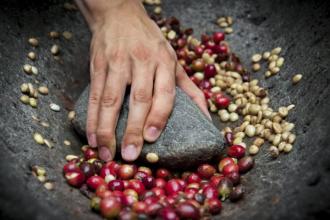
Taste characteristics of Solar fermented Natural Ethiopian Coffee introduction to Fine Coffee Bean in Manor
Ethiopia has unique natural conditions suitable for growing all imaginable varieties of coffee. As a upland crop, Ethiopian coffee beans are mainly grown in areas between 1100 and 2300 meters above sea level, roughly distributed in southern Ethiopia. Deep soil, well drained soil, weakly acidic soil, laterite and soil are soft and contain
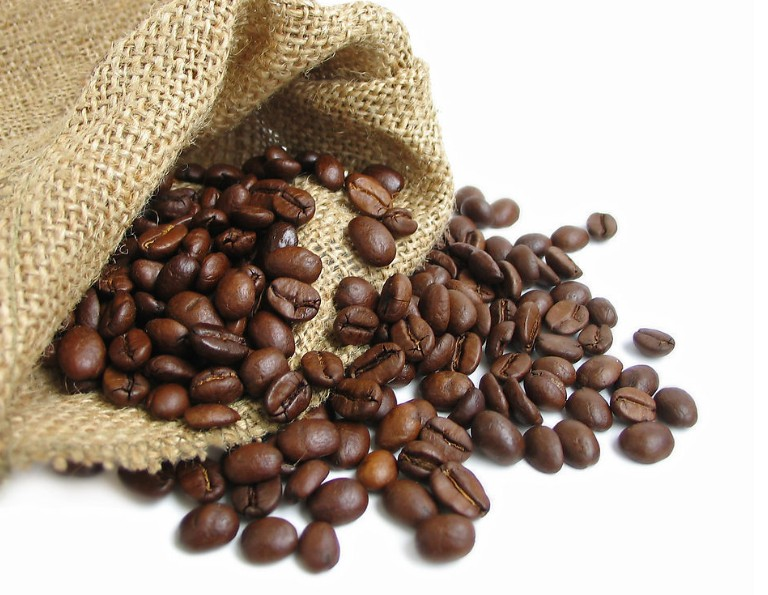
Natural fermentation, mellow and sun-dried Ethiopian coffee flavor, characteristics, taste and manor introduction
Ethiopia has unique natural conditions suitable for growing all imaginable varieties of coffee. As a upland crop, Ethiopian coffee beans are mainly grown in areas between 1100 and 2300 meters above sea level, roughly distributed in southern Ethiopia. Deep soil, well drained soil, weakly acidic soil, laterite and soil are soft and contain

A unique introduction to the sweet Indonesian Kopi Luwak
In Indonesian, Kopi means coffee, and Luwak is the name of the civet commonly known in Indonesia. Kopi Luwak, also known as Luwak Coffee, is known as the rarest coffee in existence. Specifically, this kind of coffee comes from the Indonesian island of Sumatra, where coffee trees grow for a long time. There is a local civet named Luwak, which likes to eat more.